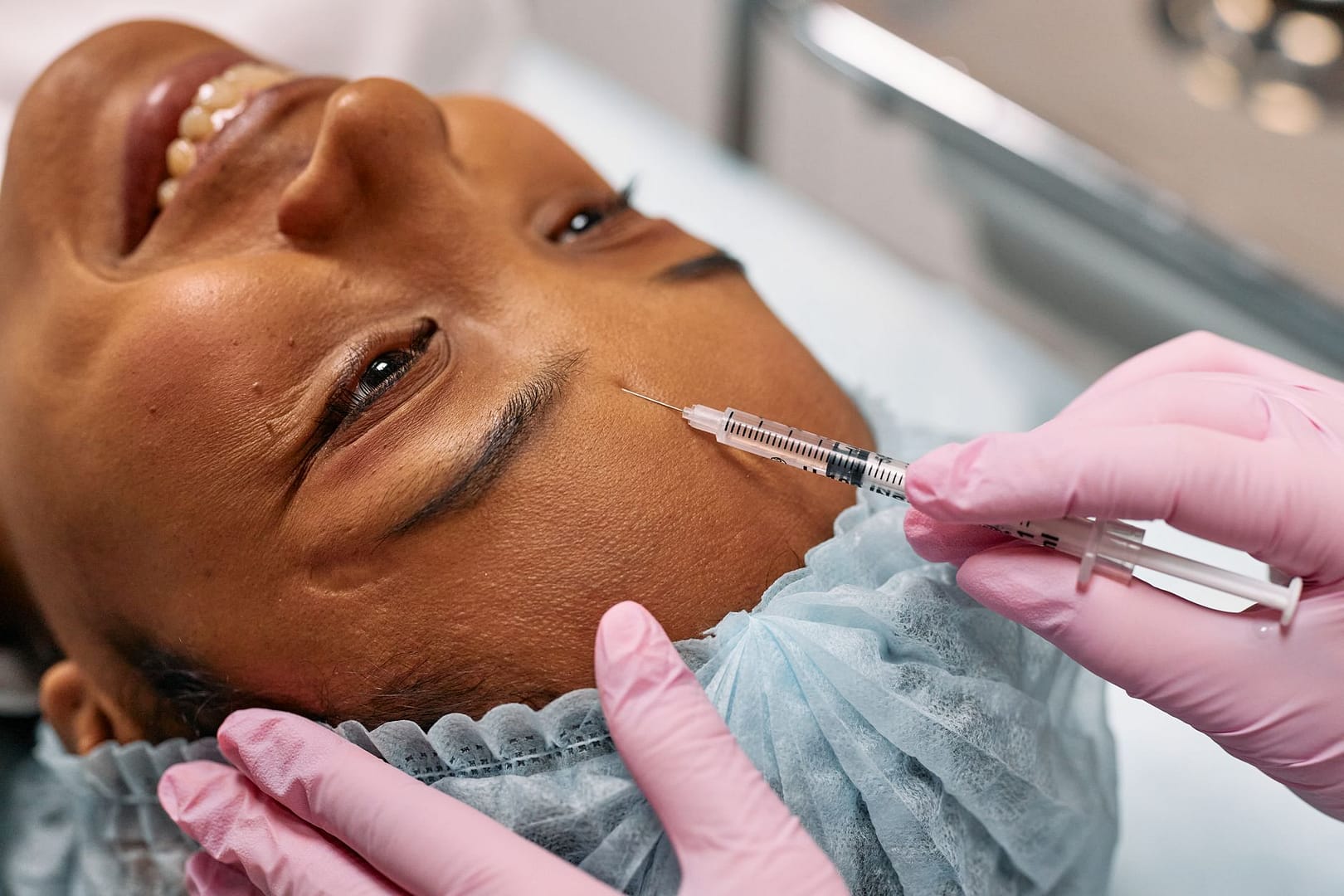
When most people think of K-beauty filler and botox in Gangnam Seoul, they envision cosmetic enhancement and anti-aging treatments. However, the sophisticated medical infrastructure that has made South Korea’s Gangnam district a global destination for aesthetic procedures has also pioneered innovative applications of these same treatments for chronic pain management. As a functional medicine practitioner focused on persistent pain, I’ve watched with interest as the line between cosmetic and therapeutic medicine continues to blur in fascinating ways.
The Therapeutic Side of Botox: Beyond Aesthetics
Botulinum toxin, commonly known as Botox, has been FDA-approved for various pain-related conditions since the early 2000s. While the K-beauty industry popularized its cosmetic applications, the medical community has long recognized its potential for treating debilitating pain conditions. Botox works by temporarily blocking nerve signals that cause muscle contractions, making it invaluable for conditions where muscle tension drives the pain cycle.
Chronic migraine sufferers, for instance, have found significant relief through strategic Botox injections. The treatment involves precise placement of the toxin in specific head and neck muscles, disrupting the pain pathways that trigger migraine attacks. Similarly, patients with cervical dystonia, temporomandibular joint (TMJ) disorders, and chronic muscle spasms have experienced transformative results from therapeutic Botox protocols.
Korean Medical Innovation: Where East Meets West
What makes the Korean approach particularly noteworthy is the integration of precision, technology, and holistic patient care. The advanced medical facilities in Seoul’s Gangnam area have refined injection techniques that maximize therapeutic benefit while minimizing discomfort. These clinics combine cutting-edge diagnostic imaging with meticulous anatomical knowledge to target pain generators with unprecedented accuracy.
The same expertise that has made Korean cosmetic procedures world-renowned translates directly to therapeutic applications. When treating facial pain, trigger points, or muscular dysfunction, the detailed understanding of facial anatomy developed through thousands of aesthetic procedures becomes a tremendous clinical asset. Practitioners at facilities like 강남역 피부과 have developed protocols that consider both functional and aesthetic outcomes, recognizing that true wellness encompasses both pain relief and confidence in one’s appearance.
Dermal Fillers: An Unexpected Pain Management Tool
While less commonly discussed in pain management circles, dermal fillers have emerging applications beyond cosmetic enhancement. Hyaluronic acid-based fillers, a staple of K-beauty treatments, possess anti-inflammatory properties that researchers are now exploring for joint pain and osteoarthritis.
The same biocompatible materials used to restore facial volume are being investigated for their potential to cushion arthritic joints and reduce pain. Korean researchers have been at the forefront of studying these cross-applications, asking important questions about how aesthetic medicine innovations might translate to functional pain relief.
The Mind-Body Connection
From a functional medicine perspective, the relationship between appearance and pain is more interconnected than many realize. Chronic pain often leads to altered facial expressions—grimacing, jaw clenching, and facial tension that becomes habitual. Over time, this creates a feedback loop where facial muscle tension contributes to headaches, TMJ pain, and neck strain.
Strategic use of neuromodulators can interrupt this cycle. By releasing chronic muscle tension in the face and neck, patients often experience reduction in associated pain patterns. This aligns perfectly with the integrative approach to pain management that considers the whole person, not just isolated symptoms.
Medical Tourism and Access to Advanced Care
The global reputation of K-beauty filler and botox in Gangnam Seoul has created an infrastructure that benefits both cosmetic and medical patients. The concentration of highly skilled practitioners, advanced technology, and competitive pricing has made Seoul a destination for those seeking both aesthetic enhancement and therapeutic treatment.
For patients with treatment-resistant facial pain, migraines, or muscular disorders, consulting with specialists who perform these procedures hundreds of times monthly offers a level of expertise difficult to find elsewhere. The volume of procedures performed in Gangnam clinics translates to refined technique and nuanced understanding of individual anatomical variations.
Integrating Korean Innovations Into Holistic Pain Management
As someone committed to broadening the conversation around natural and integrative pain solutions, I see tremendous value in learning from Korean medical advances. The Korean approach emphasizes:
- Precision and individualization: No two faces are identical, and no two pain presentations are the same. Korean practitioners excel at customized treatment plans.
- Technology integration: Advanced imaging and diagnostic tools ensure treatments target the right areas.
- Preventive thinking: Rather than waiting for severe dysfunction, the Korean model emphasizes early intervention.
- Comprehensive care: Addressing both functional and aesthetic concerns as interconnected aspects of wellness.
What This Means for Pain Patients
If you’re struggling with chronic facial pain, migraines, TMJ disorders, or neck tension, therapeutic applications of botulinum toxin may warrant discussion with your healthcare provider. The key is working with practitioners who understand both the cosmetic and therapeutic applications—professionals who can evaluate your unique pain patterns and develop targeted treatment strategies.
While traveling to Seoul may not be practical for everyone, the techniques and protocols developed in Korea’s leading clinics are increasingly being adopted by trained practitioners worldwide. When seeking treatment, look for providers with specialized training in therapeutic Botox applications, ideally those who stay current with international advances in the field.
The Future of Integrative Pain Care
The convergence of aesthetic medicine and pain management represents an exciting frontier in functional medicine. As we continue to understand the intricate connections between facial muscle patterns, chronic pain, and overall wellbeing, treatments once considered purely cosmetic reveal their therapeutic potential.
The Korean medical community’s willingness to innovate, combined with their emphasis on technical excellence and patient-centered care, offers valuable lessons for pain management practitioners everywhere. By remaining open to unconventional approaches and learning from global innovations, we expand our toolkit for helping patients reclaim pain-free lives.
Whether you’re considering therapeutic Botox for chronic migraines or exploring how facial muscle tension might be contributing to your pain patterns, the key is working with knowledgeable practitioners who understand the science behind these treatments. The goal isn’t just to mask symptoms, but to address underlying dysfunction and restore natural, healthy movement patterns—a philosophy that aligns perfectly with the integrative approach to healing persistent pain.