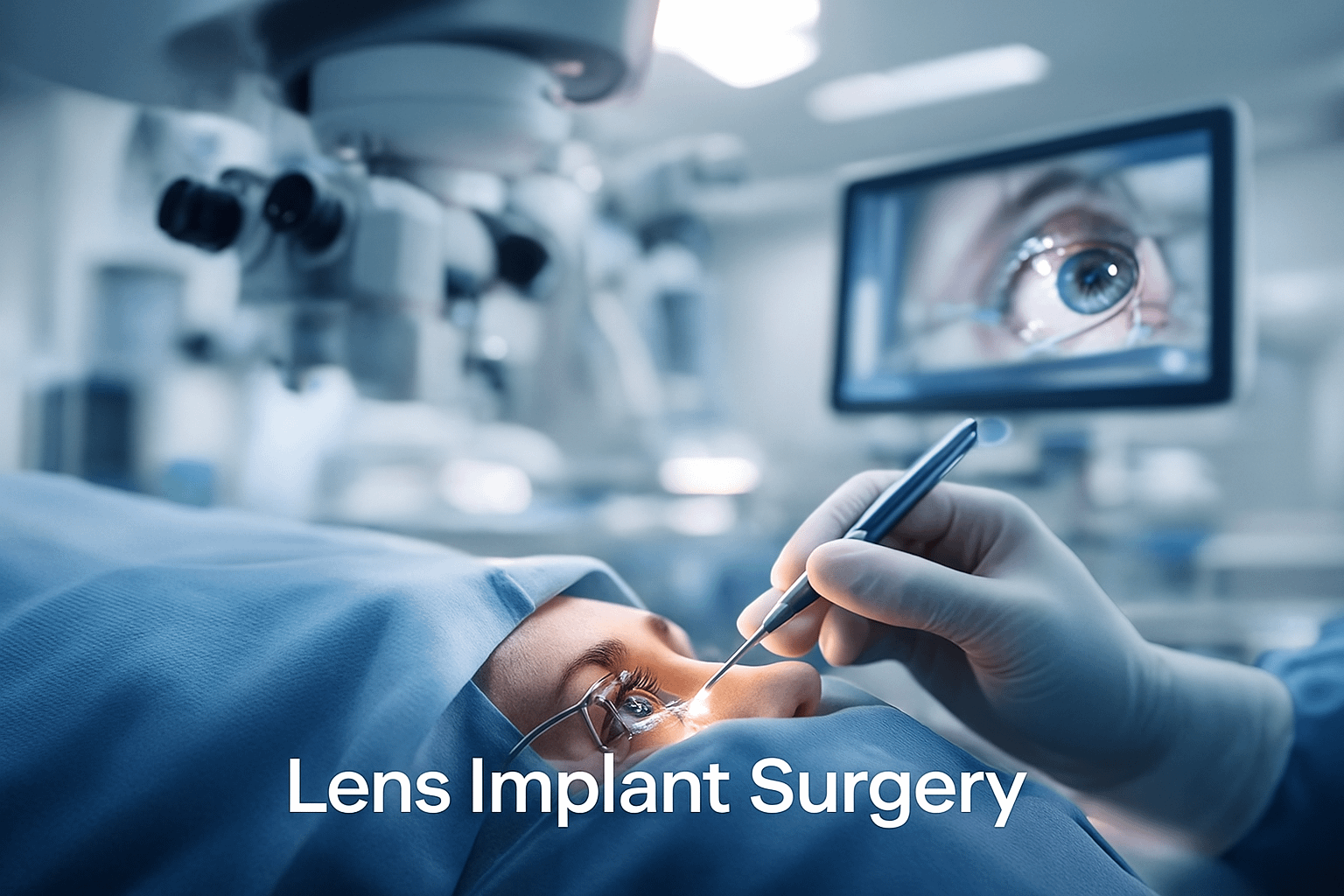
Modern eye care continues to evolve, and lens implant surgery has become one of the most trusted procedures for people who struggle with severe myopia, dry eyes, or intolerance to contact lenses. While physical therapy blogs like drjoetatta.com often focus on long-term wellness and functional recovery, vision health is equally important for maintaining quality of life, daily movement, and overall wellbeing.
Lens implant surgery offers a stable and long-lasting solution by placing a high-precision artificial lens inside the eye. Clinics such as Bright Eyes Clinic are leading this movement with advanced diagnostic systems and safer surgical techniques.
How Lens Implant Surgery Works
Lens implant surgery begins with a full pre-surgical examination evaluating corneal health, intraocular pressure, and retinal status. Once the eye is cleared, a soft foldable lens is inserted through a micro-incision.
This is a minimally invasive process that typically takes less than 30 minutes per eye.
The inserted lens improves refractive accuracy immediately, providing clearer, sharper vision. Many patients report noticeable improvement within 24 hours.
Modern intraocular lenses are also engineered to reduce glare and enhance night driving visibility—key benefits for individuals whose daily routines demand optimal visual function.
Who Benefits Most?
Lens implant surgery is ideal for people who:
- Have high myopia or astigmatism unsuitable for LASIK
- Experience irritation or dryness from contact lenses
- Want a reversible refractive correction option
- Seek vision stability that lasts for decades
Clinics like Bright Eyes Clinic evaluate lens type, size, and placement to match each patient’s eye structure. Personalized treatment increases accuracy and comfort during recovery.
Recovery and Long-Term Outcomes
Most patients resume daily activities within two days. Mild dryness, halos, or slight pressure sensations typically subside within the first week.
Proper follow-up visits ensure healthy healing and lens stability.
The implanted lens does not degrade easily and can remain effective for a lifetime. Vision remains consistent, and many patients avoid future corrective procedures entirely.
A Holistic Health Perspective
From the perspective of a wellness-focused platform like drjoetatta.com, vision correction plays a meaningful role in whole-body function. Poor eyesight can affect posture, neck tension, driving safety, and even movement patterns during exercise or rehabilitation.
Clear vision enhances balance, improves reaction time, and reduces unnecessary strain on musculoskeletal systems.
Therefore, lens implant surgery is not just a cosmetic or convenience procedure—it contributes to long-term physical wellbeing.
As global demand for refractive correction grows, eye clinics combining technology, safety, and patient-centered care are shaping the future of visual health.